I use brown noise every night. I live in Manhattan, and without it, the city has other plans for my sleep. It works for me, and I’ve never thought twice about it.
So when a study landed in my inbox last month questioning whether broadband noise — white, pink, brown — might actually be disrupting sleep rather than protecting it, I didn’t just forward it to the team. I sat with it for a while first.
What the study found
In February 2026, researchers at the University of Pennsylvania Perelman School of Medicine published a study in the journal Sleep testing how different sounds affect sleep in a controlled lab. The headline finding: pink noise was associated with nearly 19 minutes less REM sleep per night compared to silence. When combined with ambient environmental noise — like the aircraft sounds researchers used to simulate city life — the effect worsened. Both deep sleep and REM sleep dropped, and participants spent an additional 15 minutes awake.
REM sleep isn’t just dream sleep. It’s the stage most connected to memory, emotional regulation, and brain development. And here’s what stopped me: children spend significantly more time in REM sleep than adults. That’s not an accident. It’s how developing brains are wired.
The lead author, Dr. Mathias Basner, was direct: broadband noise “could be harmful — especially for children whose brains are still developing.”
I want to be honest about the limits here. The study involved 25 healthy adults, not infants or toddlers. The researchers themselves called for further study before drawing conclusions about children. This isn’t a final verdict. But it’s a signal worth taking seriously.
What it means for Loftie
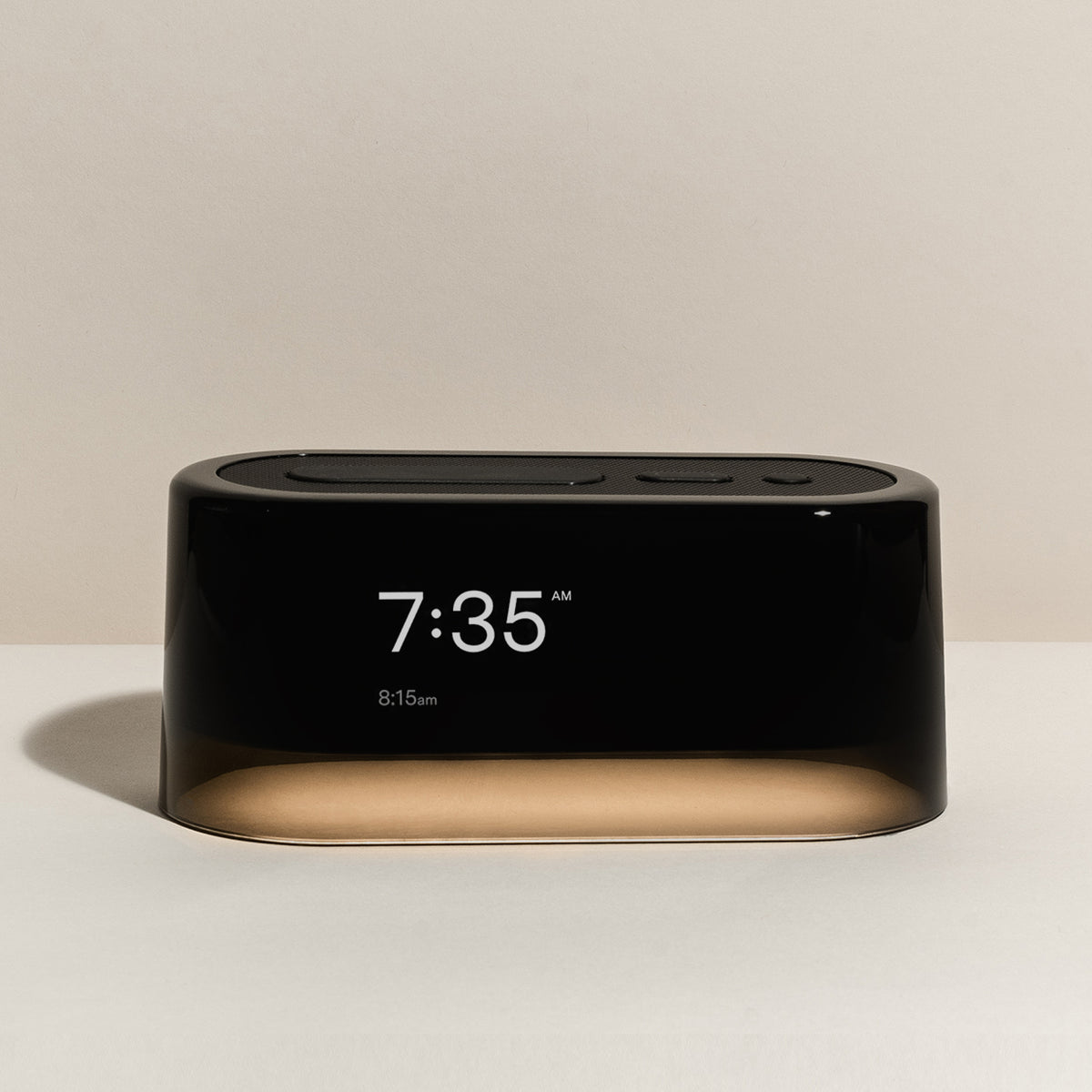
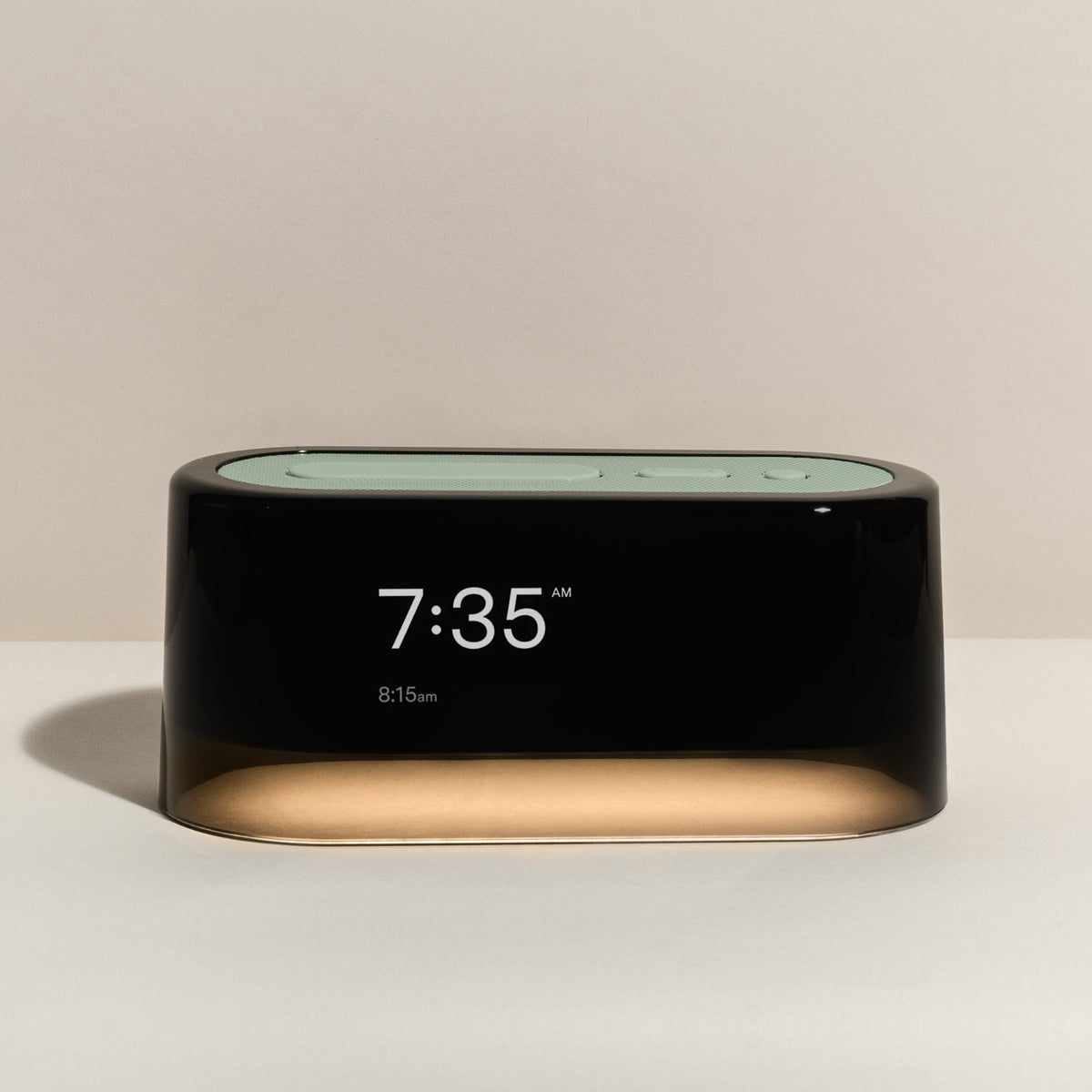
Loftie offers brown, pink, white, and red noise — alongside 30+ nature sounds and a library of sleep casts, breathing exercises, and curated music. We’ve always believed the latter category is where the real value is. But we’ve never said that as clearly as we should, especially for parents using Loftie with infants and toddlers.
This study is prompting us to be clearer.
We've released a guide this week — Healthy Sleep Audio for Infants — that steers parents toward our nature sounds and curated content rather than broadband noise, and explains the reasoning. We’re also adding explicit volume guidance for infant use, because the AAP has flagged that many sound machines can exceed safe decibel levels when placed too close to a baby.

DOWNLOAD our Guide to Sleep Audio for Infants
We’re not pulling our noise colors. I use brown noise. Adults use them. But parents deserve a clearer signal about what the current science suggests for young children, and we’re not going to wait for a perfect study to say it.
One more thing
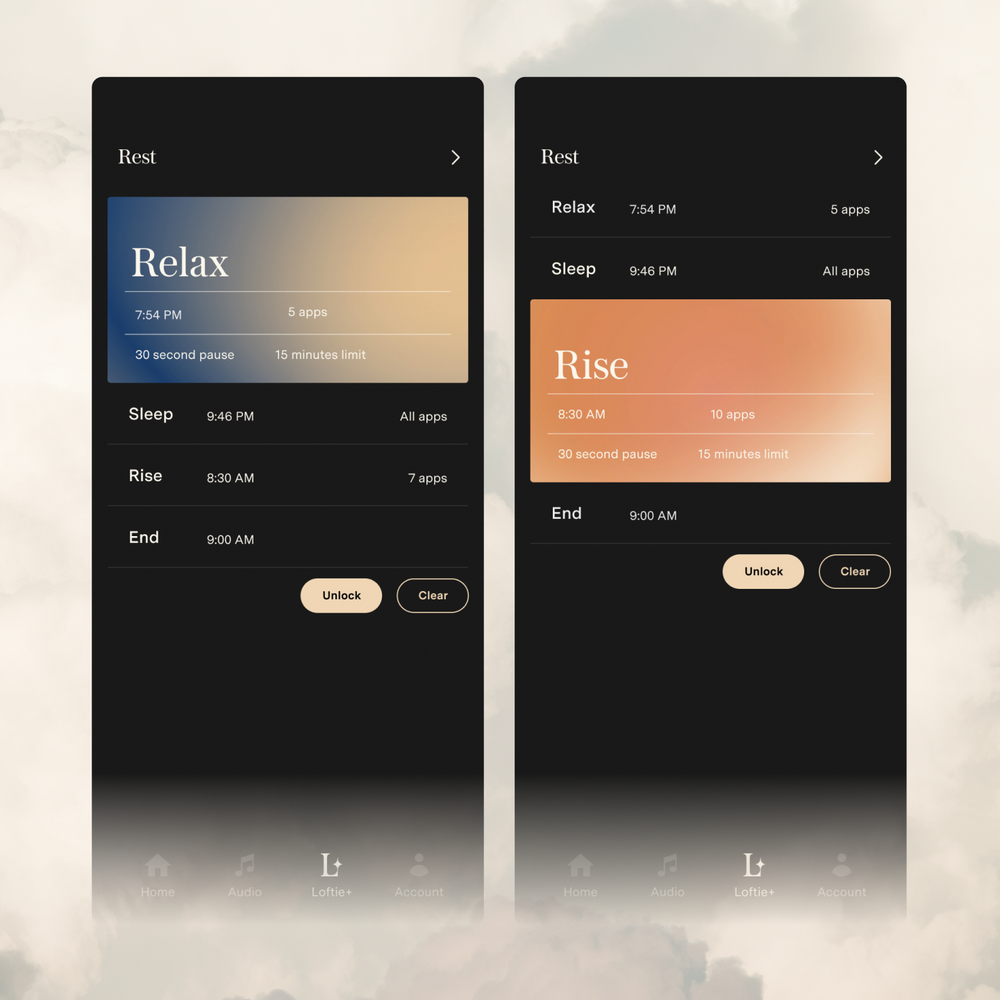
The research flags continuous all-night exposure as the scenario most worth reconsidering. If you’re using any sound for a child, use Loftie’s sleep timer so it’s not running until morning. It’s a small thing that costs nothing.
Where we go from here
I don’t think this is the last word on sleep audio and brain development. More research is coming, and the picture will get more nuanced. We’ll follow it. But the sleep industry — including us — has sometimes treated sound machines as a neutral default. This study is a reasonable prompt to be more thoughtful. We’re trying to be.
The original research is published in the journal Sleep (Basner et al., 2026). Penn Medicine, ScienceDaily, and Axios have all covered it if you want to read more.Sleep well.